How to Build a High-ROI Marketing Funnel in 2025
Want to know about marketing funnel .This guide will walk you through the process of building a marketing funnel that not only captures attention but also converts it into revenue efficiently
What Is a Marketing Funnel?
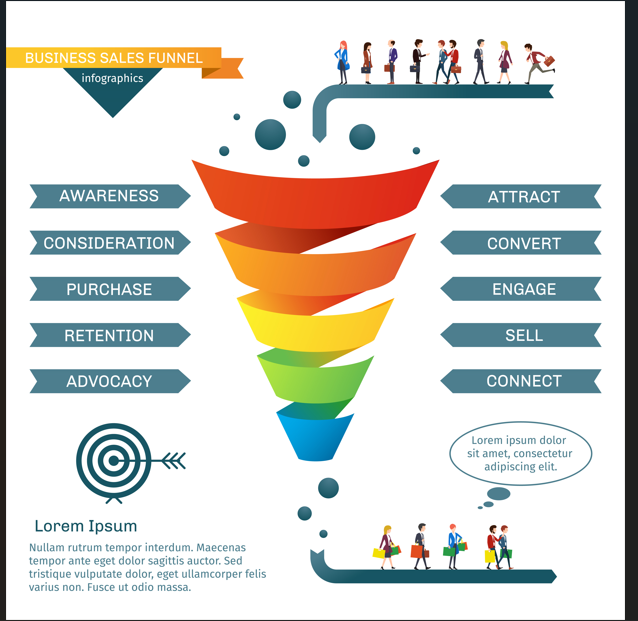
A marketing funnel is a model that represents the customer journey from initial awareness to final conversion. Think of it as a roadmap that guides your audience through various touchpoints until they become loyal customers. Traditionally, funnels are divided into three stages:
Top of Funnel (TOFU) – Awareness
Middle of Funnel (MOFU) – Consideration
Bottom of Funnel (BOFU) – Conversion
In 2025, the funnel isn’t just about moving prospects down a pipeline. It’s about delivering personalized, value-driven experiences at each stage.
Step 1: Define Your Funnel Goals & Metrics
Before building anything, define what success looks like. Are you aiming for sales? Leads? App downloads?
Key Metrics to Track in 2025:
Customer Lifetime Value (CLV)
Conversion Rate per Funnel Stage
Engagement Rate
Return on Ad Spend (ROAS)
Start by setting SMART goals (Specific, Measurable, Achievable, Relevant, Time-bound) that align with your business objectives.
Step 2: Understand Your Audience Deeply
Modern funnels thrive on precision. That means deeply understanding your ideal customer—their behaviors, challenges, and desires.
Tools to Use:
Google Analytics 4 (GA4)
AI-driven surveys (like Typeform with GPT integrations)
CRM systems (like HubSpot, Zoho)
Build detailed buyer personas that include:
Demographics
Psychographics
Online behavior
Purchase motivations
In 2025, hyper-personalization isn’t a luxury; it’s a necessity.
Step 3: Create Targeted Content for Each Funnel Stage
Each stage of the funnel requires content that matches the user’s intent.
TOFU (Awareness)
Goal: Attract strangers
Blog posts
Social media content
Short-form videos (Instagram Reels, TikToks)
Infographics
MOFU (Consideration)
Goal: Educate and engage
Webinars
Email newsletters
Case studies
eBooks
BOFU (Conversion)
Goal: Convert and close
Product demos
Free trials
Consultations
Limited-time offers
Pro Tip: Use AI tools like Jasper or Writesonic for content generation but always humanize the final output to ensure authenticity.
Step 4: Choose the Right Channels and Automations
In 2025, multi-channel marketing isn’t optional—it’s expected. Your audience is scattered across platforms, and your funnel should meet them where they are.
Best Performing Channels in 2025:
LinkedIn for B2B
TikTok & Instagram for B2C
Email (still a powerhouse)
SEO-optimized blogs
Paid search (Google, Bing)
Automation Tools to Consider:
ActiveCampaign for email sequences
Zapier for cross-platform automation
Meta Business Suite for ad campaigns
ChatGPT-based bots for customer interaction
Automation helps you scale, but it should never replace genuine human engagement.
Step 5: Lead Nurturing with Email & Retargeting
Not all leads convert immediately. You need systems in place to nurture those relationships over time.
Email Marketing:
Personalized sequences based on behavior
Value-first approach (educational, not just promotional)
Segment lists based on user data
Retargeting Ads:
Use pixel tracking to re-engage visitors
Dynamic product ads
Platform-specific creatives (e.g., carousel ads on Instagram)
The goal is to stay top-of-mind and build trust over time.
Step 6: Optimize Continuously with Data
Your first funnel won’t be perfect—and that’s okay. What matters is how quickly you iterate.
Tools to Analyze & Improve:
Google Analytics 4
Hotjar for user behavior
A/B Testing via Google Optimize or VWO
CRM data (customer feedback, churn reasons)
Key Questions to Ask:
Where are users dropping off?
Which content performs best?
Are there unnecessary friction points?
Make changes based on data, not assumptions.
Step 7: Align Sales and Marketing
A high-ROI funnel works best when sales and marketing teams are in sync.
How to Align:
Shared KPIs and dashboards
Regular sync meetings
Feedback loops from sales to marketing
A collaborative approach ensures leads are not just generated but effectively converted.
Step 8: Measure ROI and Scale What Works
Once your funnel is running, identify top-performing elements and scale them.
ROI Calculation Formula:
Scale Strategies:
Increase ad spend on high-performing campaigns
Repurpose top-performing content
Expand to similar audience segments
Scaling smartly is better than scaling quickly.
Final Thoughts
Building a high-ROI marketing funnel in 2025 requires a blend of strategy, empathy, technology, and adaptability. The tools have changed, and so have the expectations of your audience. But the goal remains the same:
visite our website https://old.apldeals.online/ if you want this kind of service in budget